Prince William Faces Local Concerns as Residents Question Duchy of Cornwall Estate Sale

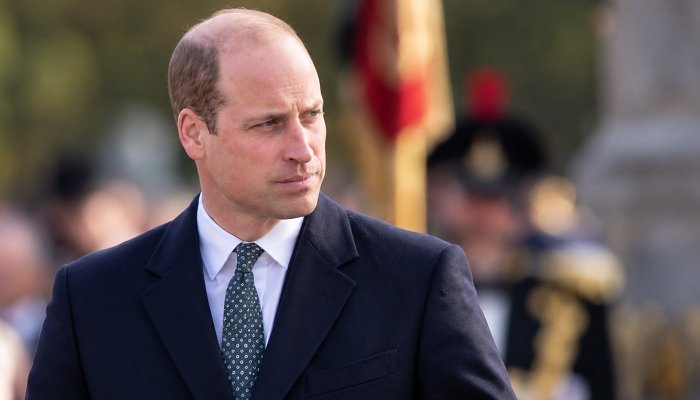
Prince William is facing anger from residents in Devon after the Duchy of Cornwall reportedly served eviction notices to tenants on the historic Bradninch Estate leaving some families worried they could lose their homes.
The estate, located near Exeter, has been connected to the Duchy of Cornwall since 1337. However, its future has become a source of controversy after plans emerged to sell the properties as part of efforts to redirect funds towards other priorities, including tackling homelessness and climate change.
William inherited the Duchy of Cornwall after King Charles became monarch in 2022. The estate provides income for the Prince of Wales, who has also spoken publicly about social and environmental challenges through his charitable work.
But the proposed sale has reportedly left some residents feeling betrayed by an institution they had long regarded with pride. For tenants who believed they could remain in their properties for life, the prospect of having to leave has created considerable uncertainty.
According to The Observer, eviction notices were served last month, giving affected farmers and renters six months to buy their homes or leave. The situation has prompted concerns about whether long-standing residents can afford to remain in the community.
Mary Ryan, one of the residents, criticised what she sees as a contradiction between William’s public priorities and the potential consequences for local families.
“People draw attention to the irony of Prince William talking about his concern for mental health and for homelessness while at the same time very badly affecting the mental health of people who live and work here and potentially making families homeless,” Ryan told The Observer.
The sale is reportedly being handled by local land agent Sworders. Some farmers have challenged the valuations, claiming that prices set by the Duchy are, on average, around 30 per cent above market value, with some properties allegedly priced even higher.
Those figures represent the residents’ claims and have not been independently established here. Nevertheless, the reported disagreement over property values has added another layer of tension to an already difficult situation.
Tenants are reportedly being offered discounts of between 10 and 20 per cent if they choose to purchase their homes. However, some residents argue that the reductions are insufficient to make the properties affordable.
Several farmers say they have already invested hundreds of thousands of pounds in the homes and land where they live and work. They fear they are now being asked to pay again to secure the future they believed they had already established.
One local resident described the situation as a choice between accepting the offer and leaving, claiming tenants were being told: “Take it or leave it.”
The anger has also extended to the Royal Family’s wider reputation in the area. One resident, who described himself as a lifelong royalist, expressed his disappointment in particularly forceful terms, contrasting his admiration for Charles with his feelings towards William.
The remarks highlight how the dispute has become more than a property disagreement for some residents. Their concerns centre on security, affordability and whether the Duchy is treating people fairly after generations of connection to the estate.
For William, the controversy presents a difficult public relations challenge as he continues to develop his role as heir to the throne. However, the Duchy of Cornwall’s property decisions should not automatically be taken as evidence of his personal intentions without further confirmation.
The key question now is whether the sale proceeds on the reported terms or whether concerns about valuations and the impact on residents lead to changes. Until then, families facing the six-month deadline remain at the centre of a dispute that has put the future king under uncomfortable scrutiny.