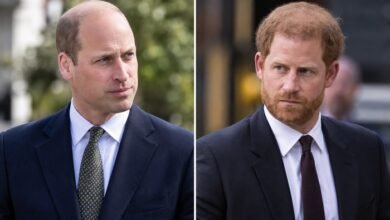
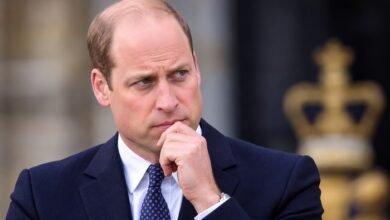
Prince William Rejects Prince Harry’s Royal Return Hopes With Firm No Extra Royals Stance
Prince William has reportedly made a decisive move that could shut down any lingering hopes from Prince Harry about rejoining royal duties in the future.
As discussions continue about the monarchy’s evolving structure, William is said to be embracing a streamlined approach rather than expanding the pool of working royals. This signals a clear shift in how the institution may operate during his eventual reign.
The issue comes at a time when the number of active senior royals is gradually declining. Long serving members such as Princess Anne and Prince Edward, alongside Sophie, continue to carry out duties but are advancing in age.
Even extended family members like the Gloucesters have played their part over the years, but the overall number of working royals remains limited. This has raised concerns about how responsibilities will be managed in the future.
Royal expert Robert Hardman explained that William is realistic about the situation. Rather than attempting to bring in additional figures, he appears prepared to accept a smaller, more focused team.
According to Hardman, the Prince of Wales understands that the monarchy will look different going forward. The idea of suddenly introducing “extra royals” to fill gaps is not seen as a viable solution.
This approach suggests that William and Catherine Middleton may take on a greater share of responsibilities themselves, particularly during the early years of his reign.
At the same time, the next generation including Prince George, Princess Charlotte and Prince Louis are still too young to assume official roles.
This leaves a noticeable gap in younger working royals, further highlighting the challenges ahead for the monarchy’s future structure.
For Prince Harry, this reported stance could be significant. Any hopes of resuming a formal role or contributing to royal duties appear increasingly unlikely under William’s vision.
It also suggests that introducing Harry and Meghan’s children, Archie and Lilibet, into official royal life may not be part of the long term plan.
The shift reflects a broader strategy to modernize the monarchy by keeping it lean and focused. Supporters argue that this could make the institution more efficient and relevant.
However, critics warn that a smaller team may struggle to maintain the wide range of engagements traditionally expected from the royal family.
Despite differing opinions, William’s position appears firm. His focus remains on shaping a monarchy that aligns with contemporary expectations rather than past models.
As the royal family continues to adapt, this decision marks a pivotal moment in defining its future direction. It reinforces the idea that change is not only inevitable but already underway.
For now, the message is clear that under William’s leadership, the era of expanding royal roles may be coming to an end.