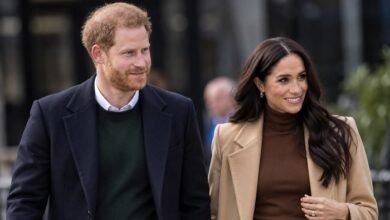
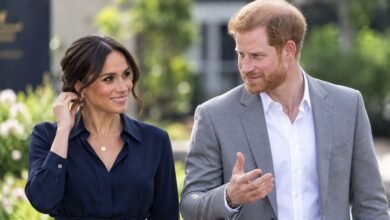
Prince Harry and Meghan Markle’s UK Move Sparks Questions Over Their Own Privacy Narrative
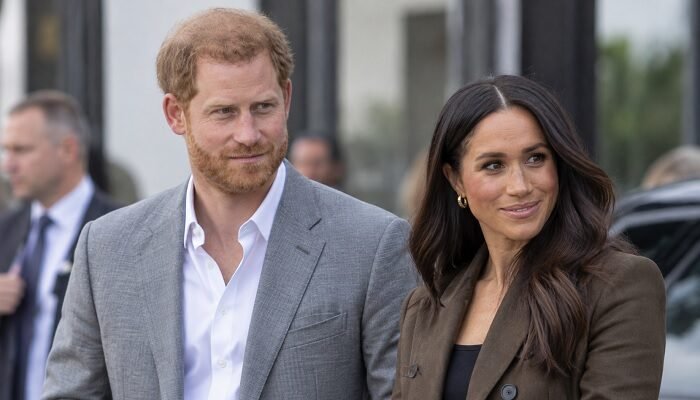
Prince Harry and Meghan Markle’s return to Britain has sparked fresh questions over their approach to privacy, with royal commentators arguing that their continued high-profile activities appear difficult to reconcile with their desire for greater control over public attention.
The Duke and Duchess of Sussex have attracted considerable media interest since returning to the UK with Prince Archie and Princess Lilibet, particularly as they establish a new routine while continuing their independent public work.
Their visibility has prompted renewed debate over what privacy means for two internationally recognised figures, especially following Palace guidance describing Harry and Meghan as “private citizens” who do not officially represent the monarch.
Royal commentator Kinsey Schofield stressed that the description should not be interpreted as suggesting the Sussexes are expected to disappear from public view or live anonymously.
“Being a private citizen does not mean you’re anonymous,” Schofield explained. “It simply means you don’t represent the king,” drawing a distinction between institutional royal status and personal public prominence.
According to Schofield, Harry and Meghan remain responsible for the professional roles and projects they accept independently, rather than undertaking those responsibilities on behalf of King Charles or the Crown.
She also questioned whether the couple’s continued media visibility sits comfortably alongside their previous complaints about intrusive attention, arguing that regularly engaging with publicity inevitably generates further interest.
“In my opinion, you can’t repeatedly feed the publicity machine and then complain about a lack of privacy,” Schofield said, although this represents her interpretation rather than a statement from Harry or Meghan.
To illustrate her argument, Schofield pointed to Princess Anne’s children, Zara Tindall and Peter Phillips, who do not hold working royal roles but remain recognisable members of the extended Royal Family.
Both have commercial interests and attend important family occasions while building careers outside the working monarchy. Schofield suggested Harry and Meghan could similarly pursue a quieter public life if they wished.
However, Harry and Meghan have generally framed their concerns around unwanted intrusion, security and control over their personal lives rather than claiming they should never receive publicity. Being public figures and seeking some privacy are not necessarily mutually exclusive.
Schofield nevertheless supported Charles’ clarification of the Sussexes’ position, arguing that years of public disputes, lawsuits and controversies have made it increasingly important to distinguish their independent activities from official royal work.
Royal broadcaster Ian Pelham Turner offered a different perspective, arguing that Harry’s position as the King’s son means he will inevitably retain considerable prominence in Britain regardless of his status as a non-working royal.
Turner also criticised the approach to Harry’s security, arguing Charles should provide greater support for his younger son. The differing views highlight the continuing debate: Harry and Meghan remain highly visible public figures, but Palace guidance makes clear that their prominence should not be confused with representing the King.