King Charles Makes Major Offer Amid Growing Backlash Over Slavery Reparations and Commonwealth Future

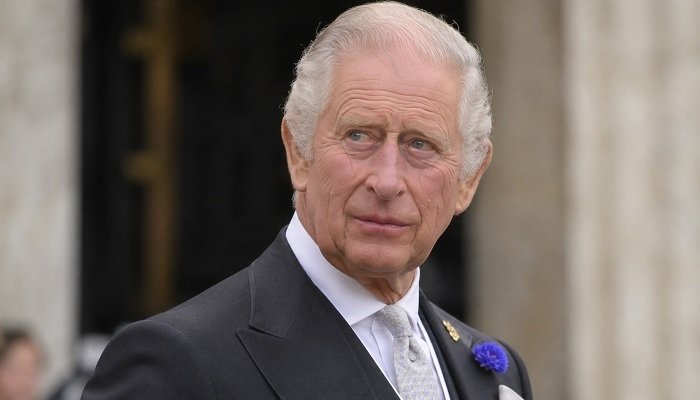
King Charles has reportedly indicated that he would be willing to step aside as head of state if Commonwealth countries decide they no longer want to retain him as their monarch, as pressure over slavery reparations continues to attract attention.
The reported position emerged following the King’s nine-day Caribbean tour, which took place against a backdrop of growing calls for Britain to address its historical involvement in the transatlantic slave trade.
The issue had already become a major talking point before Charles arrived in the Bahamas on October 27, with campaigners and political figures calling for discussions about reparations and greater recognition of the legacy of slavery.
Although the monarch’s visit included engagements celebrating the relationship between Britain and Caribbean nations, the debate surrounding the monarchy’s historical role remained an important part of the wider conversation.
According to The Times, a senior royal aide revealed that the King and the Royal Family would not oppose Commonwealth realms choosing to establish a different constitutional arrangement.
The aide reportedly said the Royal Family was “fully open” to the possibility of countries removing the British monarch as their head of state.
“We have absolutely no difficulty with that,” the senior aide reportedly explained, making clear that the decision ultimately belongs to the people and governments of those countries.
The source added that the King and his family consider their role to be one of service and would respect the wishes of nations that no longer wanted to retain the monarchy.
“The King and the royal family are there to serve the people of these regions for as long as they wish. But if they don’t wish it anymore, then we really are fully open to that,” the aide said.
The representative continued by explaining that the Royal Family serves where its presence is wanted and that alternative arrangements could be made if a country decided to move in another direction.
The comments come at a particularly sensitive time for the Commonwealth, as several Caribbean nations continue discussions about their constitutional futures and the possibility of becoming republics.
During the Commonwealth summit, King Charles addressed the painful history of the transatlantic slave trade, expressing his horror and personal sorrow over the suffering it caused.
However, the monarch stopped short of issuing a formal apology in his keynote speech, a decision that has kept attention focused on the question of how Britain should acknowledge its historical responsibility.
The distinction between expressing sorrow and formally apologising has remained central to the debate, with campaigners continuing to call for meaningful action alongside recognition of the past.
For Charles, the reported willingness to accept constitutional change signals that the future of the monarchy in Commonwealth realms is ultimately a matter for those countries to decide.