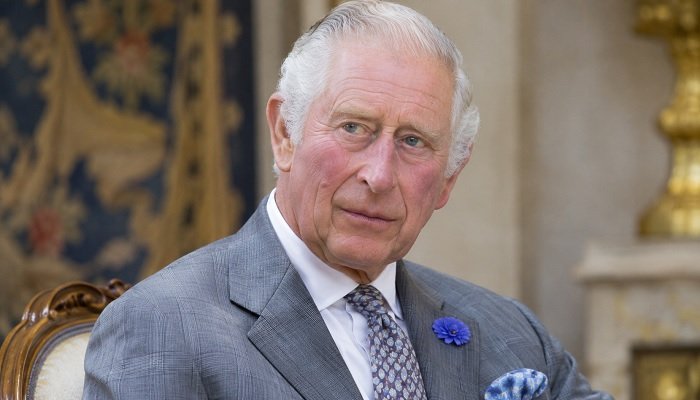
King Charles could face a difficult legacy in the Caribbean despite receiving warm welcomes during his latest royal tour, with royal commentator Russell Myers warning that positive appearances may not be enough to satisfy calls for a formal apology over slavery.
The monarch has visited The Bahamas and Guyana as part of his Caribbean tour, where he has been greeted by supporters alongside a smaller number of anti-monarchy protesters. His engagements have included opportunities to acknowledge the region’s complicated history and the lasting impact of slavery.
However, Myers has argued that the King could face a difficult assessment of his visit even if the tour is considered successful. In his view, acknowledging historical wrongs does not necessarily meet the expectations of those calling for more concrete action.
The royal commentator pointed out that monarchs are often judged by the legacy they leave behind, rather than their intentions alone. Charles may have shown a willingness to reflect on the past, but questions remain over what that recognition will mean in practice.
The UK government has made clear that it does not intend to issue a formal apology or commit to reparations. One concern is that such a move could establish a legal precedent, potentially encouraging similar demands from former colonies elsewhere in the world.
Charles also operates within the constitutional limits of his position. As monarch, he acts on the advice of government ministers, meaning decisions on formal apologies and reparations are matters for elected officials rather than the King alone.
Despite those restrictions, Myers suggested there could still be room for meaningful discussion. He argued that there is a middle ground between issuing a formal apology and remaining silent about the historical legacy of slavery.
That possibility could become particularly important during the upcoming Commonwealth Heads of Government Meeting in Antigua, where leaders are expected to discuss the legacy of slavery and its continuing consequences.
The discussions may offer an opportunity for the monarchy and Commonwealth leaders to address difficult historical questions without necessarily reaching agreement on reparations.
However, the political landscape across the Caribbean is changing. Several countries have been reconsidering their constitutional relationship with the British monarchy, placing additional attention on Charles’s position as head of state in some Commonwealth realms.
Barbados became a republic in 2021, ending the British monarch’s role as its head of state. Jamaica has also seen growing political discussion about moving towards republican status.
These developments underline the changing relationship between Britain and parts of the Caribbean, where historical ties and contemporary political priorities do not always align.
Myers warned that the ground was shifting and that the King’s approach to the region’s history could influence how his reign is remembered there.
He suggested that if the Commonwealth meeting produces warm statements but little practical progress, Charles could face criticism that the opportunity for a more meaningful response was missed.
For now, no formal apology or reparations agreement has been announced by the UK government. The discussions in Antigua may nevertheless prove significant in determining how Commonwealth leaders address the legacy of slavery and the future of their relationship.