Prince George’s Future As King Questioned As Prince William and King Charles Face Startling Call

Prince George’s future as King has been thrust into a fresh debate after former Minister argued that abolishing the monarchy could “free” the young royal from a destiny he never personally chose.
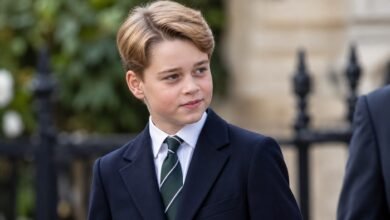
The intervention directly touches on the future facing King Charles grandson and Prince William’s eldest son, who is second in line to the throne and recently began a major new chapter of his education at Eton.
former Scottish First Minister Sturgeon, who supports replacing the monarchy with a republic, presented her argument in the new Channel 4 documentary The Royals: Time To Go?, hosted by veteran broadcaster and republican John Humphrys.
Rather than framing her position solely around politics or royal finances, the former first minister focused on the personal consequences of hereditary monarchy for children born into the line of succession.
Sturgeon said she had “huge sympathy” for members of the royal family and specifically highlighted George when explaining why she believes ending the monarchy could actually benefit future generations of the Windsors.
“That kid doesn’t know any different,” Sturgeon said of George, before questioning whether it was fair for the 13-year-old to have such an extraordinary future mapped out without personally choosing it.
She argued that abolishing the institution would therefore not simply represent a constitutional change but, in her view, could release future members of the royal family from the obligations attached to their positions.
The remarks are particularly striking as George grows older and moves gradually closer to understanding the responsibilities that could eventually accompany his position as the heir to Prince William.
His father and mother, Princess Kate, have sought to give their children as normal an upbringing as possible while simultaneously introducing George to royal traditions and occasional high-profile public appearances.
Sturgeon’s comments do not represent a formal proposal from the British government, nor do they indicate that Charles or William is considering changing George’s position. Instead, they form part of the wider republican argument presented in the Channel 4 programme.
That debate was accompanied by a Survation poll of more than 2,000 people commissioned for the documentary. It found 28 percent supported abolishing the monarchy, while 44 percent opposed abolition and the remainder were undecided.
Among respondents aged between 18 and 24, support for abolition rose to 38 percent, indicating a larger republican share among the youngest age group surveyed than across the overall sample.
The figures still showed more respondents opposing abolition than supporting it overall, making the poll a snapshot of opinion rather than evidence that Britain has decided to abandon its constitutional monarchy.
For Charles and William, Sturgeon’s intervention puts an unusually personal face on the debate. Rather than focusing only on the institution, she has placed George at the centre of her argument, questioning whether becoming King should be considered a privilege, a responsibility or a “burden” inherited without choice.