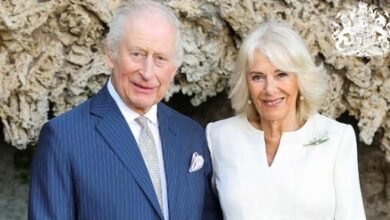
King Charles Follows Unusual and Strict Palace Rule Over Everyday Language
King Charles follows an unusual royal tradition that prevents him from using one particular word inside the palace, reflecting one of the many customs that continue to shape life within the monarchy. Even everyday conversations are influenced by long-standing rules and traditions that have been observed by members of the Royal Family for generations.
Rules have always played an important role within the monarchy, with discipline and etiquette remaining central to royal life. From King Charles to Prince William, members of the family are expected to follow long-established traditions.
Royal customs influence everything from official engagements to private routines within royal residences. Even seemingly ordinary words are sometimes replaced by expressions that better reflect royal etiquette.
According to social anthropologist Kate Fox, the word “toilet” does not form part of the Royal Family’s preferred vocabulary. Instead, alternative expressions have traditionally been used inside royal households.
Kate Fox, the author of Watching the English: The Hidden Rules of English Behaviour, explained that members of the monarchy generally prefer to use the words “lavatory” or “loo” in conversation. The expert shared her observations during an interview with Hello! magazine.
The anthropologist explained that the word “toilet” has French origins and developed from the word “toilette.” Historically, the expression referred to a place where people prepared themselves or changed their clothing.
Over the years, the meaning of the word gradually changed and became widely used throughout society. However, members of the Royal Family have continued to favour more traditional alternatives.
Language is not the only aspect of daily life shaped by royal customs and traditions. Many common expressions have also been replaced by terms considered more suitable within aristocratic circles.
Members of the Royal Family are also said to avoid referring to their evening meal as “tea.” Instead, expressions such as “dinner” or “supper” are considered more appropriate.
The names used to describe rooms within royal residences also reflect these traditions. Rather than speaking about a lounge, royals are more likely to refer to a sitting room or a drawing room.
Buckingham Palace itself contains hundreds of rooms, each serving a different purpose. However, the language used to describe those spaces remains firmly rooted in royal tradition.
Members of the monarchy are also believed to prefer the word “smart” when describing stylish clothing or elegant surroundings. By contrast, the word “posh” is generally avoided.
According to Kate Fox, the term is used only occasionally and often in a humorous manner. She explained that it may be employed ironically rather than as part of everyday speech.
These traditions may seem unusual to outsiders, but they continue to offer a fascinating glimpse into royal life. Even the smallest details, including everyday language, remain closely connected to customs that have existed for generations.