King Charles Begun Tense Caribbean Tour With Queen Camilla as Calls for Slavery Apology Put Royal Visit Under Pressure

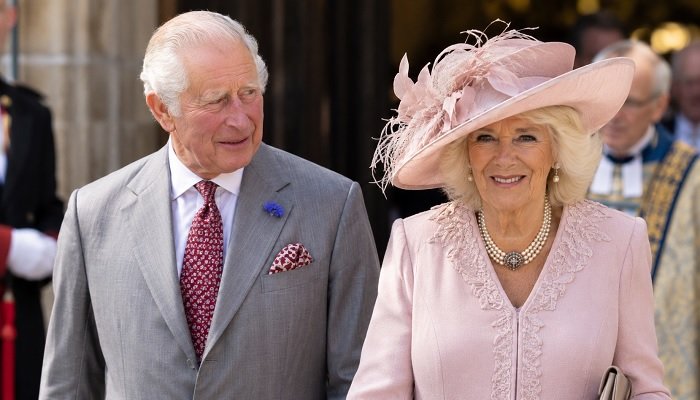
King Charles has begun a sensitive Caribbean tour with Queen Camilla as renewed calls for Britain to apologise for its role in the transatlantic slave trade and pay reparations place difficult historical questions in the spotlight.
The King started the visit in the Bahamas, with Queen Camilla expected to join him later as the royal couple travel to Guyana before heading to Antigua and Barbuda for the Commonwealth Heads of Government Meeting (CHOGM).
The tour comes at a delicate moment for Britain’s relationship with Caribbean nations, where questions about the legacy of slavery and its lasting consequences remain part of public and political debate.
Campaigners and representatives from affected countries have renewed calls for an apology and reparations, arguing that the historic harm caused by slavery deserves meaningful recognition and action.
However, the British government has ruled out both demands, creating a difficult backdrop for the royal visit as Charles meets people across the region.
Although the King represents the United Kingdom during overseas engagements, decisions about government policy on reparations and formal apologies are not his to make.
The distinction between the monarchy and the elected government is particularly important during a tour involving countries whose shared history with Britain includes both longstanding ties and painful historical experiences.
Charles has previously acknowledged the suffering caused by slavery, recognising the need to confront difficult aspects of the past. His earlier remarks have nevertheless not resolved wider calls for further action.
Royal editor Rebecca English of the Daily Mail has travelled to the region to follow the King’s engagements, offering coverage of a visit unfolding amid these complex historical and political sensitivities.
The tour is expected to include meetings and events highlighting the relationships between Britain and Caribbean countries, as well as the Commonwealth’s wider role in bringing together nations with shared connections.
For Charles, the visit provides an opportunity to engage with communities and leaders while representing the Crown, but it also places the monarchy in the midst of a continuing debate about Britain’s historical responsibilities.
The King’s position means he must navigate the subject carefully, acknowledging the suffering associated with slavery without making commitments on behalf of the government.
Queen Camilla’s participation in the later stages of the trip will bring the royal couple together for engagements in the region, including the Commonwealth meeting in Antigua and Barbuda.
The gathering will bring leaders from across the Commonwealth together to discuss shared challenges and cooperation, while the wider historical debate may remain an important part of the atmosphere surrounding the visit.
Ultimately, the tour highlights the continuing complexity of Britain’s relationship with the Caribbean. While Charles can acknowledge the past and meet people affected by its legacy, any decision on an official apology or reparations remains a matter for the British government.