Prince William Offers Glimpse of Monarchy’s Future With Major Shift in Royal Role
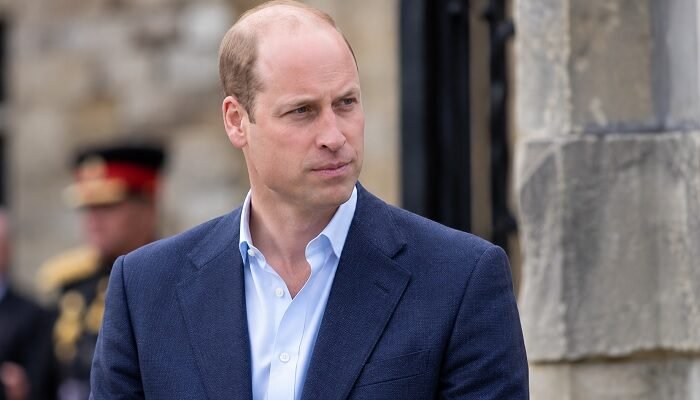
Prince William has reportedly offered a revealing glimpse of how he could eventually lead the monarchy after undertaking an important responsibility on behalf of King Charles, with a body language expert highlighting his increasingly confident diplomatic style.
The Prince of Wales represented his father at the funeral of the late King Harald V in Oslo, Norway, where he was joined by his aunt Princess Anne for the solemn royal occasion.
William attended in his capacity as heir to the throne and representative of Charles, while Anne’s presence was understood to be personal, giving the future King a prominent diplomatic responsibility on the international stage.
The appearance carried additional significance because William is gradually taking on responsibilities that demonstrate what will eventually be expected of him when he succeeds Charles and assumes leadership of the monarchy.
There has already been considerable discussion about how William could reshape the institution during his future reign, including suggestions that he intends to adopt a more streamlined and modern approach to royal duties.
Body language expert Judi James believes his conduct at the funeral offered an early indication of the “evolutionary” leadership style that could define his approach once he eventually becomes King.
“His height and his increasingly easy elegance show how well he slides into a diplomatic role on the world stage,” James told HELLO!, reflecting on William’s appearance during the important engagement.
She noted that effective diplomacy should not automatically be assumed simply because someone holds a senior royal position, pointing out that different members of royal families have historically displayed considerably different approaches.
“Diplomacy is never a given for a royal and many male royals have been better known for a more irascible and challenging style,” the expert explained while contrasting William’s manner with more traditional approaches.
According to James, William’s non-verbal behaviour instead suggested an ability to understand the atmosphere around him and adapt accordingly, important qualities for someone increasingly expected to represent Britain at major international occasions.
His “non-verbal signals suggest a man able to read and anticipate situations and register empathy,” she said, while also highlighting William’s apparent ability to synchronise naturally with the people surrounding him.
That characteristic could prove particularly important for William’s future reign, with James suggesting his style appears less focused on dominating an occasion and more centred on quietly adapting to the diplomatic environment.
The expert also highlighted William’s “pose of quiet, calm, focused dignity,” a description that reflects the composed image the Prince of Wales presented while representing his father during the solemn overseas engagement.
Charles has not publicly commented on James’ assessment or William’s body language. Nevertheless, the responsibility entrusted to his eldest son demonstrates William’s growing role within the monarchy, offering another glimpse of the transition that will eventually place the institution in his hands.