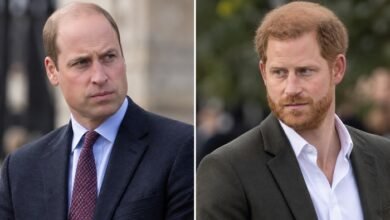
The British royal family has been left reeling after Prince William made a dramatic decision that could reshape long standing traditions within the monarchy. The future King’s unexpected move has sparked intense debate about the direction of royal customs.
Prince William reportedly chose to cancel a grand investiture style ceremony that had been discussed to formally mark his role as Prince of Wales. The decision has been seen as a clear break from royal precedent.
This move stands in sharp contrast to the path taken by his father, King Charles III, whose own investiture ceremony in 1969 at Caernarfon Castle was a globally televised spectacle watched by millions.
Following the passing of Queen Elizabeth II, Charles ascended the throne and granted William the title of Prince of Wales. Early discussions had reportedly included plans for a formal ceremony in Wales.
One proposed venue was St David’s Cathedral, a historic and symbolic location that would have reinforced the tradition and significance of the title.
However, those plans never materialized. According to royal author Robert Hardman, William made a conscious decision to reject the idea of a large scale ceremonial event.
Hardman explained that the Prince not only dismissed the idea of a grand investiture but also chose not to hold a formal church service. This departure from tradition has been described as a groundbreaking shift.
Reports suggest that even political considerations were taken into account. The Welsh nationalist party Plaid Cymru had reportedly been consulted to avoid any controversy surrounding the event.
Despite these preparations, insiders claim that William was never fully committed to the idea. Members of his inner circle indicate that he preferred a more modern and understated approach from the outset.
Instead of a formal ceremony, William and Catherine, Princess of Wales chose to mark the moment through meaningful visits. Their trip to Anglesey and Swansea reflected a more personal connection to Wales.
The couple’s approach signals a broader shift in how royal milestones may be handled in the future. Rather than grand displays, there appears to be a growing focus on relatability and authenticity.
Public reaction has been mixed. Some have praised William for modernizing the monarchy and moving away from outdated traditions, while others feel the decision undermines the historical importance of the title.
Royal observers believe this could set a precedent for future generations. A move toward simpler, more meaningful engagements may redefine how the monarchy connects with the public.
Within palace circles, the response has reportedly been cautious but understanding. The decision highlights William’s willingness to prioritize personal values over expectation.
As the monarchy evolves, moments like this underline a significant transformation. The balance between tradition and modern identity continues to shift.
Prince William’s bold choice may ultimately shape the future of royal ceremonies, signaling a new era for the institution he is destined to lead.