Prince Harry Criticized for ‘Cashing In on Pain’ as Paid Grief Course Sparks Fierce Backlash

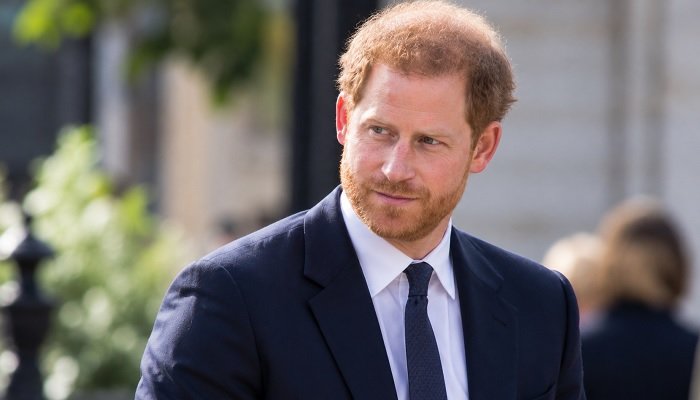
Prince Harry has faced accusations of cashing in on pain after launching a paid MasterClass about past grief, with critics questioning whether his repeated discussions of Princess Diana’s death have become a commercial venture.
The Duke of Sussex recently appeared alongside neuroscientist and grief expert Dr Mary-Frances O’Connor in a new course titled Redefining Grief: Building Resilience Through Loss, which debuted on October 8.
The session explored loss and resilience, with Harry sharing aspects of his personal experience following his mother’s death when he was 12. However, the project has divided royal commentators, with some criticising his decision to revisit deeply personal experiences through paid media projects.
According to the Daily Mail, Harry was reportedly paid $100,000 for the class, alongside a share of subscription revenue. The financial details have not been independently established in the supplied report.
Speaking to Fox News Digital, British broadcaster and photographer Helena Chard questioned Harry’s approach to discussing his grief through books, interviews and other projects.
“Prince Harry has spoken extensively about his emotional scars and unresolved grief surrounding the death of his mother,” Chard said, arguing that the Duke’s repeated accounts have prompted some people to question his motives.
Chard further accused Harry of portraying himself as a victim and suggested that public interest in Diana’s life and death could make the subject commercially valuable. She described the criticism as part of what she called the “Grief Grifter” narrative.
The commentator also contrasted Harry’s public approach with that of his older brother, Prince William, who has generally kept more of his personal grieving out of the spotlight.
“The public understands the heartache Harry and William must have endured after their mother passed away,” Chard said, while acknowledging that the brothers had followed different paths in dealing with their loss.
Royal expert Hilary Fordwich also criticised Harry’s approach, telling the outlet that she believed he had not dealt well with his grief. Her remarks added to the debate over whether revisiting painful memories publicly is helpful or potentially exploitative.
The controversy comes just weeks after Diana’s younger brother, Charles Spencer, published his memoir, Swan Song: Diana, My Sister, bringing renewed attention to the late Princess and her family.
Not all commentators shared the criticism. Royal broadcaster Ian Pelham Turner defended Harry’s decision to speak openly about loss, suggesting that his platform could encourage others to discuss grief and seek support.
Turner described the project as an act of bravery rather than an attempt to manufacture sympathy, arguing that Harry was presenting himself as a person with experiences that others might recognise.
Chard, meanwhile, questioned why Harry’s latest account included details she believed had not featured as prominently in his previous memoir, documentaries and interviews. She argued that the new material could alter how audiences interpret his earlier public statements.
Royal commentator Richard Fitzwilliams also suggested that Harry’s relationship with Diana’s legacy could remain a subject of public discussion if reports of a potential documentary about his mother move forward.
The debate ultimately highlights a wider question about public figures sharing painful personal experiences through commercial projects. Supporters may see Harry’s course as an opportunity to raise awareness of grief, while critics may question the financial arrangements surrounding it.
Harry’s paid MasterClass has therefore reignited scrutiny of how he discusses his mother’s death, but the accusations made by commentators remain opinions rather than proof that the Duke is deliberately exploiting his grief.