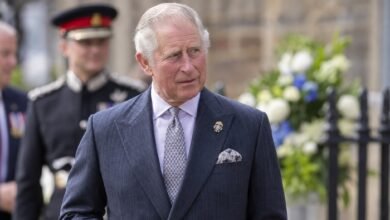
Fresh concerns surrounding King Charles and the future of the British monarchy are intensifying as new data reveals changing public attitudes toward the royal family across the United Kingdom.
The monarchy has endured years of pressure fueled by family scandals, public feuds, and growing debates about whether the institution can remain relevant in modern Britain. Royal experts now believe the Crown may be entering one of the most critical periods in recent history.
According to a detailed analysis highlighted by Newsweek, long term survey data suggests support for abolishing the monarchy has steadily increased over the last four decades, raising serious questions about the institution’s long term future.
The findings are based on the British Social Attitudes survey conducted by the National Centre for Social Research, which has tracked public opinion about the monarchy since 1983.
In the early 1980s only a very small percentage of British citizens supported abolishing the monarchy. However by 2024 the number had reportedly climbed significantly, reflecting a noticeable shift in public mood.
Analysts estimated support for ending the monarchy has risen by roughly 0.3 percentage points each year over the past four decades. If that gradual trend continues, experts suggest Britain could eventually face a much more serious republican movement in the future.
At the same time, the percentage of people describing the monarchy as “very important” to Britain has reportedly fallen dramatically since the 1980s. Public enthusiasm surrounding the institution appears far weaker than during earlier generations.
Combined figures from the survey also indicated a growing number of people either see the monarchy as unimportant or would prefer Britain to move toward an elected head of state. Royal observers believe this trend represents a major warning sign for the Crown.
Despite these concerns, the monarchy still retains significant support overall. Reports suggest a majority of Britons continue backing the institution even while expressing frustration or disappointment with certain royal controversies.
Much of the recent pressure surrounding the monarchy has been linked to scandals involving Andrew Mountbatten Windsor and renewed scrutiny connected to Jeffrey Epstein and Ghislaine Maxwell.
The fallout surrounding Andrew has reportedly intensified debates within political and media circles about the monarchy’s public value. Discussions about potential parliamentary investigations also added to growing tensions surrounding the royal family.
Meanwhile the continuing feud involving Prince Harry and Meghan Markle has further complicated the monarchy’s public image during King Charles’s reign.
However royal supporters point out that the institution has survived numerous crises before, including the aftermath of Princess Diana’s death, which once sparked widespread criticism but was eventually followed by a recovery in popularity.
Many believe the monarchy’s future stability may ultimately depend on Prince William and Kate Middleton, whose popularity remains significantly stronger among younger generations.
King Charles has also continued receiving praise for major diplomatic appearances abroad. His recent State Visit to the United States reportedly generated positive headlines after receiving standing ovations during key events and meetings.
As public opinion continues evolving, royal experts believe the monarchy faces mounting pressure to modernize and reconnect with ordinary citizens. For King Charles, balancing tradition with urgent reform may become the defining challenge of his reign.