Prince William Gets Unexpected New Title As He Quietly Prepares To Become King
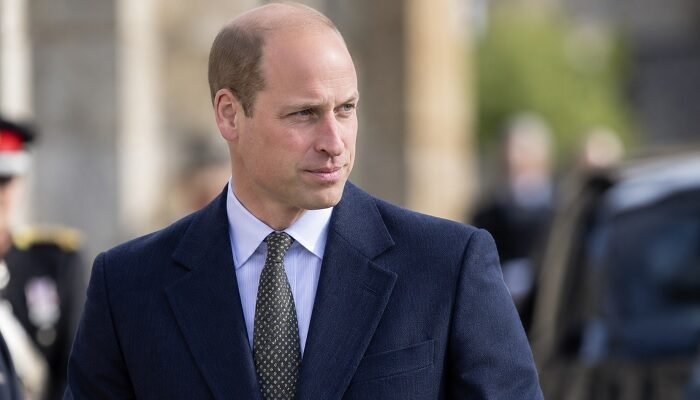
Prince William has been given an unexpected new title as he prepares for his eventual role as King, with a royal expert comparing the Prince of Wales to a modern “CEO” while rejecting longstanding criticism of his workload.
The assessment comes as the Royal Family navigates several difficult issues, including continuing fallout surrounding Andrew and renewed attention on King Charles’ relationship with Prince Harry and Meghan Markle following the Sussexes’ return to Britain.
Against that complicated backdrop, William’s approach to royal duties is receiving renewed scrutiny as attention increasingly turns towards how the future King intends to shape the monarchy when he eventually takes the throne.
Although some of William’s work happens away from major headlines, supporters argue that his relatively selective schedule reflects a deliberate strategy rather than a lack of commitment to his responsibilities.
Dan Wakeford, founder of Celebrity Intelligence, challenged the “work-shy” criticism that has periodically followed William, arguing that the Prince is instead concentrating on boundaries, family responsibilities and projects capable of producing longer-term results.
“William is extremely good at setting boundaries and not working during the holidays, protecting his kids’ privacy and his wife’s mental health,” Wakeford told Fox News Digital while discussing the future King’s approach.
While acknowledging that critics sometimes interpret those boundaries as evidence that William should undertake more engagements, Wakeford argued that the Prince’s strategy resembles the way a chief executive might manage a major organisation.
He described William as working “more like a CEO,” suggesting that the Prince is looking beyond simply accumulating large numbers of appearances and instead considering how his decisions could influence the monarchy over the longer term.
According to Wakeford, William has also spent time studying the institution he will one day lead and understands the importance of maintaining boundaries between his public responsibilities and private family life.
“And the poll numbers show that he’s extremely popular, and he’s doing a good job,” Wakeford added. His assessment represents one side of an ongoing debate about how royal workloads should be measured as the monarchy evolves.
William has previously faced calls to undertake more traditional “bread-and-butter” engagements. Reports last year suggested Princess Anne believed her nephew could increase that type of royal work as he continues preparing for his future responsibilities.
However, British broadcaster and photographer Helena Chard has also defended William’s priorities, arguing that he has King Charles’ support to devote significant attention to his young family while fulfilling his position as Prince of Wales.
The “CEO” comparison does not mean William literally holds a new royal title, but it highlights a potentially different model for his future reign: fewer decisions based purely on engagement totals and greater emphasis on selected initiatives, partnerships and measurable outcomes.
Whether that approach eventually becomes a defining feature of William’s monarchy remains to be seen. For now, however, the striking “CEO-style” description offers a fresh counterargument to his critics, portraying the future King as deliberately building a more focused and sustainable model of royal leadership.