King Charles Draws New Line Over Prince Harry’s Treatment After Duke’s UK Return
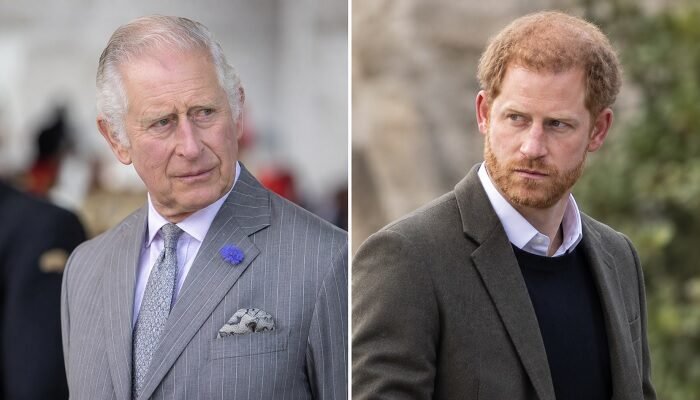
King Charles has sent an unmistakable message about Prince Harry’s position following his return to Britain with monarch’s latest Palace clarification effectively sets boundaries around how his younger son should be treated officially.
The Duke and Duchess of Sussex returned to the United Kingdom for an extended period after years primarily based in California, immediately raising questions about whether their physical return could eventually produce changes to their royal status.
However, the Palace moved to reinforce the arrangements established when Harry and Meghan Markle stepped away from working royal duties, describing the couple as non-working royals and “private citizens” in an institutional context.
The clarification effectively reminded officials and the wider establishment that Harry and Meghan do not represent the Crown, despite retaining their Duke and Duchess of Sussex titles and remaining members of the King’s family.
Royal commentator Jennie Bond has now examined the significance of that intervention, suggesting Charles’ message carried more force than a simple restatement of arrangements already established under the Sandringham agreement.
Writing in the i newspaper, Bond said the letter clarifying that Harry and Meghan are not part of “The Firm” — meaning the working Royal Family “carried quite a sting.”
“Nothing, the Palace insisted, had changed,” Bond wrote, referring to the official position that the communication merely reaffirmed the existing status of the Duke and Duchess rather than establishing a completely new arrangement.
But Bond argued that the manner in which Charles publicly reinforced those boundaries was itself significant, particularly now that Harry is once again living much closer to the institution he left behind.
“But, in truth, it had,” she continued. “The King had publicly flexed his muscles and decreed how his younger son should be treated: no bells, whistles, curtseys or any other show of royal flummery.”
Bond’s interpretation suggests Harry should not expect the ceremonial treatment normally associated with working representatives of the monarch when carrying out his independent engagements in Britain.
The commentator’s wording should not be confused with an instruction that Harry be denied ordinary personal courtesy. Rather, her reference to “bells, whistles” and curtseys concerns royal protocol and ceremonial recognition attached to official status.
That distinction is important because Harry remains the King’s son even though he no longer represents the monarchy. His personal relationship with Charles therefore remains separate from the institutional rules governing his public position.
The Palace clarification also reinforces the principle established following Harry and Meghan’s departure from working royal life: returning to Britain does not by itself revive the official privileges or responsibilities they previously held.
For Harry, that creates an unusual situation. He can pursue Invictus, WellChild and other independent projects while living much closer to the Royal Family, but those appearances should not be treated as engagements undertaken on behalf of the Crown.
Charles’ intervention therefore appears less like a personal order to disrespect his son and more like a firm institutional boundary. As Harry establishes his new UK life, the message from the Palace remains clear: family ties continue, but working royal status and its accompanying ceremonial treatment do not automatically return.