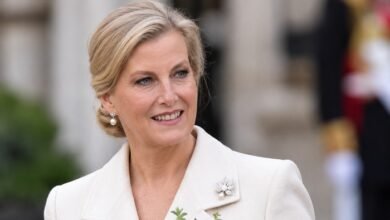
Prince William And Kate Middleton Face Growing AI Threat As Expert Issues Stark Warning
Prince William and Princess Kate have been warned about the growing dangers posed by artificial intelligence as concerns mount over the spread of realistic fake images and misleading online content.
The Prince and Princess of Wales remain among the most recognisable members of the royal family, with their popularity extending far beyond the United Kingdom. Their children, Prince George, Princess Charlotte, and Prince Louis, also attract enormous public attention whenever they appear at official events.
However, the rapid advancement of artificial intelligence technology has created new challenges for public figures, including members of the monarchy.
Experts have noted a significant increase in AI generated photographs and videos circulating online. Some of these images can appear remarkably realistic, making it difficult for the public to distinguish between genuine content and digital fabrications.
Royal commentator Jennie Bond recently addressed the issue, warning that the monarchy could face reputational risks if false information continues to spread unchecked.
According to Bond, image and public perception have become increasingly important to the modern royal family. While previous generations may have been less concerned about public relations, today’s royals operate in a media environment where appearance and reputation can significantly influence public opinion.
She suggested that convincing fake images and inaccurate information have the potential to alter how members of the royal family are viewed by the public. In extreme cases, such content could damage carefully built reputations and create confusion about real events.
The concerns extend beyond Prince William and Princess Kate. Other senior royals have also found themselves affected by misinformation and manipulated content circulating across social media platforms.
Interestingly, Prince Harry has previously spoken publicly about the risks associated with emerging technology and digital media. The Duke of Sussex has repeatedly warned about the consequences of unchecked online content and misinformation.
Harry has argued that technological progress should be guided by responsibility and ethical considerations rather than speed alone. His comments reflect wider concerns shared by experts, policymakers, and technology leaders around the world.
The issue has become particularly relevant as artificial intelligence tools become more sophisticated and accessible. What once required professional editing skills can now be created within minutes using widely available software.
For high profile figures such as the Prince and Princess of Wales, the challenge is especially significant. Their photographs, videos, and public appearances are constantly scrutinised, making them frequent targets for manipulated content.
Royal observers believe the Palace will need to continue adapting its communications strategy to address these evolving threats. Greater emphasis may be placed on official channels and verified content to help audiences identify authentic information.
The growing influence of artificial intelligence is not solely a royal concern. Governments, businesses, celebrities, and media organisations are all grappling with the implications of realistic digital manipulation.
As technology continues to advance, experts argue that public awareness will become one of the most effective tools in combating misinformation. Educating people about how AI generated content is created could help reduce the impact of false narratives.
For Prince William, Princess Kate, and the wider royal family, maintaining public trust remains a crucial priority. Ensuring that accurate information reaches the public may become increasingly challenging in an era where digital content can be fabricated with unprecedented realism.
The warning serves as a reminder that the future of public image management may depend not only on what happens in real life, but also on how effectively institutions respond to the growing influence of artificial intelligence online.