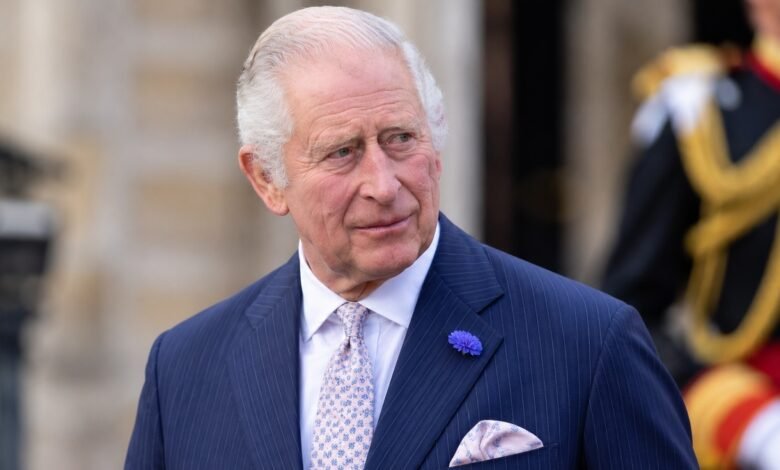
King Charles has received strong support from royal fans after Buckingham Palace confirmed that he will not offer a formal apology or financial reparations during his upcoming Caribbean tour, despite renewed calls for Britain to address its historic role in the transatlantic slave trade.
The King’s autumn tour has placed his planned visit to the Bahamas and Guyana under intense attention, particularly after campaigners in the Bahamas urged the 77-year-old monarch not to arrive “empty-handed.”
The Palace announcement has since triggered a heated online discussion, with some royal supporters backing Charles’ position and arguing that Britain should not be treated as the only country responsible for the historical legacy of slavery.
One supporter, Ann, told GB News that she agreed with the monarch’s stance and questioned why Britain was being singled out when other European powers were also involved in the transatlantic slave trade.
“Quite right, King Charles,” Ann said, arguing that Portugal and Spain had been involved before Britain and describing the wider reparations debate as unreasonable.
Another supporter, Sandra, offered a brief message of approval, writing: “King Charles is right, absolutely.”
The reactions highlight the sharply different views surrounding the King’s Caribbean visit, with reparations remaining a particularly sensitive subject across several Commonwealth nations.
Other social media users, however, urged caution as Charles prepares to travel to countries where the history of slavery remains a deeply emotional and politically significant issue.
Some commenters praised the Palace for being clear about the King’s position while also calling for diplomacy and a measured approach to avoid unnecessary tension during the tour.
Buckingham Palace has emphasized that Charles will not ignore the difficult history connected to Britain’s past, despite the decision not to make a formal apology or announce financial reparations.
A Palace spokesman said the visit would “not shy away from the darkest days” of the past, suggesting that the subject will remain part of the wider conversations surrounding the tour.
The King’s position is also shaped by the constitutional role of the monarch, as Charles acts on the advice of the elected UK Government rather than independently determining foreign or reparations policy.
The autumn programme will see Charles visit the Bahamas and Guyana before Queen Camilla joins him in Antigua and Barbuda for the Commonwealth Heads of Government Meeting.
The royal tour is therefore expected to combine traditional diplomatic engagements with opportunities to discuss the shared history and modern priorities of Commonwealth nations.
The reparations debate has continued to generate strong opinions, with campaigners in the Caribbean seeking recognition and action while the British Government has not committed to financial reparations.
For Charles, the challenge will be to acknowledge the painful history surrounding slavery while maintaining the constitutional and diplomatic position established by the British Government.
The latest Palace announcement has therefore produced a mixture of support, concern and calls for diplomacy, showing how sensitive the King’s upcoming Caribbean tour is likely to become.
As the visit approaches, attention will remain focused on how Charles addresses the subject of Britain’s historic role in the slave trade and whether his emphasis on acknowledging the past can help keep discussions constructive during his time in the Caribbean.