King Charles Under Fire As £138 Million Royal Funding Sparks Outrage Over Costs
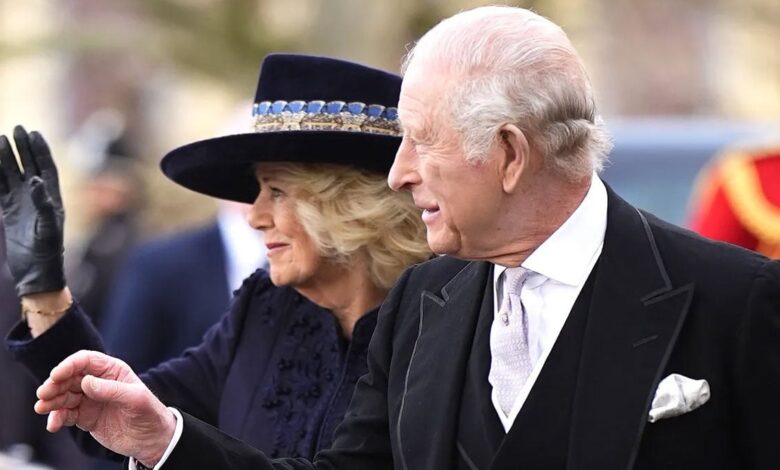
King Charles is under growing pressure as the latest figures surrounding royal funding ignite fresh debate over the cost of maintaining the monarchy. The £138 million Sovereign Grant allocated this year has triggered widespread calls for reform.
The funding, which supports official royal duties, has seen a sharp increase in recent years. Critics argue that the rising amount comes at a time when many citizens are facing financial hardship, intensifying scrutiny of royal finances.
At the center of the debate is Rachel Reeves, who is being urged to reconsider how the grant is structured and distributed. The financial boost has reportedly risen by nearly £50 million over the past three years.
A significant portion of the funding is tied to the long term refurbishment of Buckingham Palace, a project expected to cost £369 million over a decade. While officials describe it as essential maintenance, critics view it as excessive spending.
Concerns have also been raised by transparency advocates, who are calling for clearer insight into how royal funds are managed. The debate has been further fueled by remarks linked to Keir Starmer and his administration’s stance on financial accountability.
Baroness Margaret Hodge, known for her role in tackling corruption, has highlighted past controversies as a warning sign. She suggested that issues surrounding Andrew Mountbatten Windsor have intensified concerns about royal finances.
According to Hodge, a lack of transparency in private income streams could weaken public trust in the monarchy. Her comments come at a time when the institution is already navigating a sensitive period.
Echoing these concerns, Lord George Foulkes has called for a more radical review of royal spending. He pointed to examples such as Queen Camilla using helicopter travel as a sign that the royals may appear disconnected from everyday struggles.
The criticism is particularly sharp given the broader economic climate, with rising living costs, homelessness, and poverty affecting many across the United Kingdom. This contrast has made royal expenditure an even more contentious issue.
Officials from the Treasury have confirmed that the Sovereign Grant is currently undergoing a scheduled five year review. However, there are no immediate plans to abolish the system entirely.
The grant, originally introduced in 2011 under George Osborne, was designed to streamline royal funding. It covers expenses such as staff salaries, travel costs, and the upkeep of royal residences.
Recent financial reports reveal that £41.2 million was spent on property maintenance, while £4.7 million went toward travel. Helicopter use alone accounted for £475,000 across 141 flights, including significant spending on domestic trips.
Lawmakers are also examining the management of the Crown Estate, particularly in relation to property usage and whether it delivers fair value to taxpayers. Questions surrounding Royal Lodge have added to the scrutiny.
Meanwhile, both King Charles and Prince William continue to generate private income through the Duchies of Lancaster and Cornwall. These estates, along with inherited wealth and investments, have contributed substantial earnings over decades.
Over the past 70 years, these duchies have reportedly generated around £1.2 billion, with recent increases in property sales adding to their value. Despite this, certain tax exemptions have drawn further criticism from those demanding reform.