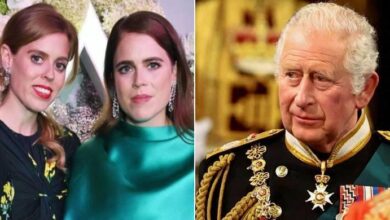
King Charles and Prince William Unite To Tackle Andrew Issue Amid Power Shift Speculation
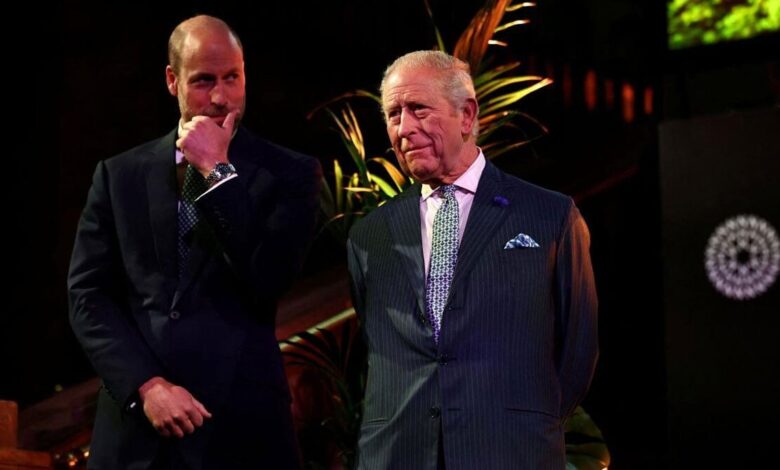
King Charles and Prince William have reportedly joined forces to address a major issue impacting the royal family’s public image, despite ongoing speculation about a shift in power within the monarchy.
The father and son duo have recently been the subject of headlines suggesting that William is taking on a more influential role behind palace doors. However, sources indicate they remain firmly aligned on key decisions.
At the center of their concern is Andrew Mountbatten Windsor, whose continued position in the line of succession has become a growing point of frustration. The situation is seen as increasingly problematic for the monarchy’s reputation.
According to insiders, both Charles and William are deeply aware of public sentiment and the potential damage the ongoing association could cause. This has reportedly pushed them to consider more decisive action.
Sources claim there is a strong sense of frustration within royal circles, with both men said to be “seething” over the complicated process involved in addressing the issue. The legal and constitutional barriers have proven difficult to navigate.
The challenge lies in the complexity of removing a royal from the line of succession. Any such move would require careful consideration and likely involve significant legal and parliamentary procedures.
Despite their desire for swift action, insiders suggest that the process is far from straightforward. Even initiating changes could raise constitutional questions that are not easily resolved.
The situation highlights the delicate balance between tradition and modern expectations. While public opinion may favor decisive measures, the monarchy must operate within established frameworks.
Meanwhile, reports indicate that William is increasingly stepping into a leadership role on sensitive matters. His involvement is said to extend to decisions affecting Princess Beatrice and Princess Eugenie.
This evolving dynamic has fueled speculation about a gradual shift in influence within the royal household. However, the current issue appears to have strengthened unity between Charles and William rather than creating division.
Observers believe that their shared stance reflects a broader effort to protect the monarchy’s long term stability. Addressing controversial figures is seen as part of maintaining public trust.
The matter also underscores the challenges facing a modern monarchy under intense scrutiny. Every decision carries both symbolic and practical consequences.
For Charles, the issue represents a test of leadership during a critical period of his reign. For William, it offers an opportunity to demonstrate his readiness as a future king.
As discussions continue behind closed doors, it remains unclear what course of action will ultimately be taken. The complexity of the situation ensures that any resolution will take time.
For now, the united front presented by Charles and William signals a shared commitment to safeguarding the institution’s future, even amid mounting pressure and public debate.