Sarah Ferguson Faces Fury As Shocking Decision Triggers Title Backlash
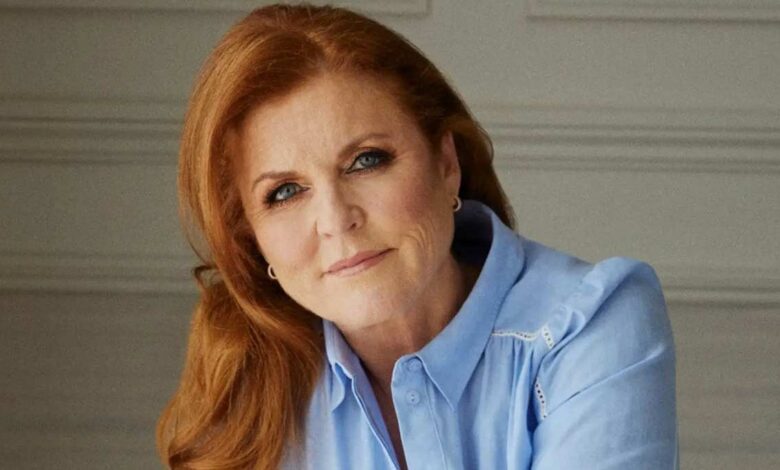
Sarah Ferguson has found herself at the center of a major public storm after a controversial decision sparked outrage and intense scrutiny across the United Kingdom. The fallout has reignited debates about accountability, reputation, and the standards expected from public figures.
The backlash follows what Ferguson herself previously described as an “error of judgment,” a phrase that has now become central to the growing criticism. The situation has not only drawn media attention but also prompted political voices to step in.
Among them is Rachael Maskell, who publicly supported calls to review and revoke Ferguson’s prestigious civic honor, the Freedom of the City of York. Her stance reflects a broader push to reassess how such titles are awarded and maintained.
Ferguson had held the honorary title for nearly four decades, symbolizing her long standing connection with the city. However, that relationship has now come under intense scrutiny following renewed focus on her past associations.
Central to the controversy are her links to Jeffrey Epstein, which have once again sparked public debate. Critics argue that such connections are incompatible with the values expected from recipients of civic honors.
Local authorities recently confirmed the removal of Ferguson’s title, a move that has been widely described as decisive and necessary by supporters. The decision marks a significant shift in how historical honors are being reevaluated.
Rachael Maskell emphasized that maintaining the integrity of such titles is crucial. She argued that honors like the Freedom of the City of York should reflect modern standards and uphold the reputation of the community.
She also expressed hope that this case would lead to a wider review of honorary recognitions. The aim, she suggested, is to ensure that only individuals who embody strong values continue to be celebrated.
Criticism has also extended to the original decision to grant Ferguson the title. Some voices have questioned whether her association with the city ever truly delivered meaningful benefits.
According to critics, her connection to York lacked significant impact beyond occasional appearances. This has fueled arguments that the honor may not have been justified in the first place.
Darryl Smalley, who played a key role in pushing for the revocation, highlighted the unity behind the decision. He noted that the move was supported across political lines, reflecting a shared commitment to accountability.
The consensus among council members underscores the seriousness of the issue. It also signals a broader determination to preserve public trust in civic institutions.
Ferguson has since expressed regret over her past decisions, acknowledging the gravity of her association with Epstein. Her statement appears aimed at taking responsibility and addressing the concerns raised.
Despite her apology, public opinion remains divided. While some believe the revocation was necessary, others worry about the precedent it may set for revisiting past honors.
Supporters of Ferguson argue that individuals should not be defined solely by past mistakes. They believe there should be room for redemption and a more balanced perspective.
At the same time, critics maintain that public figures must be held to the highest standards, especially when representing a community. This tension continues to shape the ongoing debate.
The controversy has also prompted wider reflection on what civic honors truly represent. Questions are now being raised about how recipients are chosen and whether current systems are robust enough.
Ultimately, the case of Sarah Ferguson highlights the delicate balance between personal conduct and public recognition. As institutions evolve, so too do expectations surrounding integrity and accountability.