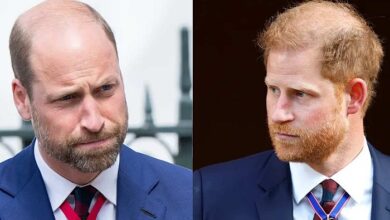
Prince William Faces Backlash As Duchy Of Cornwall Controversy Sparks Double Standards Row
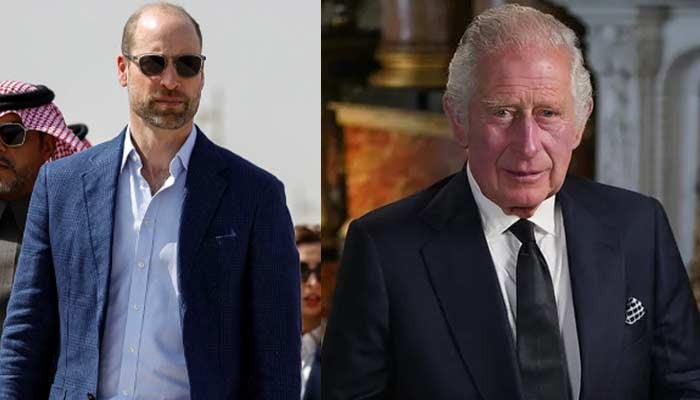
Prince William has found himself at the center of a growing controversy after fresh claims accused his Duchy of Cornwall of “double standards.” The future King is now facing mounting criticism as debates intensify over the estate’s latest projects.
The issue has placed William under pressure, with critics arguing that the Duchy is sending mixed messages through its actions. While publicly promoting environmental protection, the estate is simultaneously moving forward with large scale development plans.
Prince William inherited the Duchy of Cornwall in 2022 following the accession of King Charles III. Since then, he has emphasized sustainability and conservation as key priorities tied to his leadership of the estate.
Recently, the Prince of Wales shared a video highlighting the Duchy’s efforts to protect landscapes and restore natural habitats. The post was part of celebrations for the International Day of Forests and focused on preserving rare temperate rainforests in the United Kingdom.
The footage showcased teams working to support wildlife and ensure that ecosystems can thrive for future generations. Many royal fans praised the initiative, calling it an important and inspiring message about environmental responsibility.
However, the positive reception was quickly overshadowed by backlash over a separate development project. Planning permission was granted for building on hundreds of acres of farmland in Faversham, triggering anger among local residents.
Critics argue that the development directly contradicts the Duchy’s environmental messaging. Some have accused the estate of promoting conservation publicly while approving construction that could harm green spaces.
Local resident Sarah Moakes voiced strong concerns, describing the situation as a clear contradiction. She suggested that the Duchy’s actions appear to balance preserving land while simultaneously building over it.
The development plans faced significant opposition, with hundreds of objections submitted before approval was granted by Swale Borough Council. Despite this, the project moved forward, further fueling frustration among locals.
Residents have also raised concerns about the impact on daily life, including the loss of walking areas and green spaces used by the community. Many fear the development will disrupt the rural character of the المنطقة.
In response, Duchy estate director Ben Murphy defended the plans, stating that developers had spent years consulting with local communities. He emphasized that efforts have been made to balance development with environmental preservation.
Murphy highlighted that a large portion of the project would be dedicated to green spaces, including parks, woodlands, and allotments. He also noted that the development aims to provide much needed housing, including affordable options for vulnerable families.
Supporters of the project argue that such developments are necessary to address housing shortages, even if they involve difficult trade offs. They believe the inclusion of green areas demonstrates an attempt to maintain environmental considerations.
Despite these assurances, the backlash has not subsided, with critics continuing to question the Duchy’s priorities. The controversy has placed Prince William in a challenging position as he navigates competing expectations.
As scrutiny grows, the debate highlights a broader issue facing modern royals: balancing environmental advocacy with practical development needs. For Prince William, the outcome of this controversy could have lasting implications for his public image.