King Charles’s Unexpectedly Ruthless Treatment of Brother Andrew Surprises Royal Experts
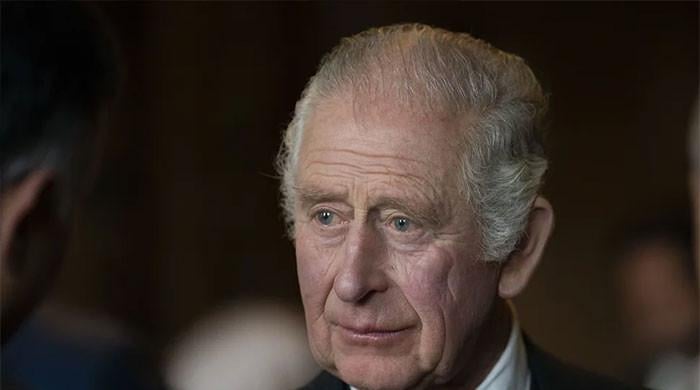
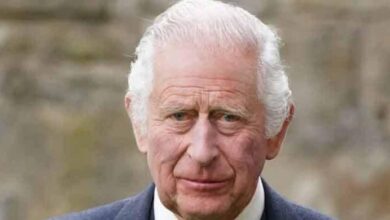
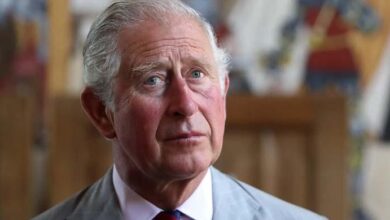
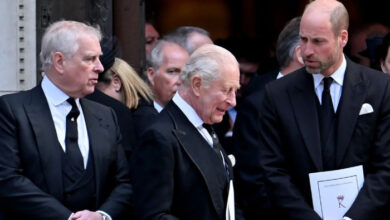
King Charles has taken a notably stern stance in managing the troubling situation surrounding his brother, Prince Andrew. This unexpected firmness has caught even seasoned royal observers off guard, signaling a shift in the royal family’s handling of sensitive issues.
Royal commentator Richard Fitzwilliams highlighted that Charles’s approach has been more ‘brutal’ than anticipated. The King’s decisiveness underscores a desire to address the controversy head-on, even if it risks public perception.
In a recent interview with GB News, Fitzwilliams explained that Charles opted for a course of action he deemed essential, despite its stark and unforgiving nature. This suggests the monarch prioritizes the integrity and reputation of the monarchy.
Buckingham Palace has officially announced that Andrew will lose his remaining titles and vacate Royal Lodge by October 2025. This decision marks a significant reduction in Andrew’s royal privileges and duties.
Analysts believe that the harsh decision was inevitable after years of damaging disclosures and mounting uncertainty. The ongoing revelations have severely challenged the royal family’s image and stability.
The prolonged saga surrounding Andrew has led to calls for decisive action, with experts arguing that previous delays only compounded the embarrassment associated with his continued association with the royal family.
The persistent drip of damaging disclosures increased pressure on King Charles, making swift resolution seem not only necessary but overdue. Public sentiment appears to be favoring swift and firm measures.
The humiliation faced by the royal institution has amplified the urgency for clarity and consequences. Critics suggest that procrastination only worsened the damage to the monarchy’s reputation.
Public opinion polls underline this sentiment, with YouGov data showing 58% of Britons believing the Royal Family waited too long to act regarding Andrew. Only about 20% felt the timing was appropriate, with almost no one thinking the response was rushed.
Despite the controversy, a majority of Britons—around 64%—continue to support the idea of maintaining the UK as a constitutional monarchy. This figure has remained stable during King Charles’s reign, indicating enduring support.
Conversely, approximately 25% of the population favors an elected head of state, reflecting ongoing debates about the monarchy’s relevance. Yet, the royal institution continues to hold significant public value.
Amid these tensions, the Prince and Princess of Wales have emerged largely unscathed. William and Kate’s popularity remains high, with approval ratings consistently in the mid-70s, reflecting strong public goodwill.
Their steady support base suggests that their approach to royal duties and public engagement is resonating well with the populace. Such stability provides a contrast to the turbulence surrounding other members.
The royal family’s ability to preserve public affection plays a crucial role in maintaining the monarchy’s future. The firmness shown by Charles may be part of a broader effort to reinforce the institution’s credibility.
In conclusion, King Charles’s firm handling of his brother’s controversies signifies a pivotal moment for the royal family. His strategic decisions demonstrate a focus on preserving the monarchy’s dignity amid ongoing challenges.
This shift in approach underscores the royal family’s awareness of the importance of public perception. How these measures will influence the monarchy’s future remains closely watched.
As the royal saga unfolds, these developments will likely shape the narrative of the monarchy in the years to come. The firm stance taken by Charles might pave the way for a new era in royal governance and reputation management.