Prince Edward Takes on Major Role Following King Charles Royal Orders
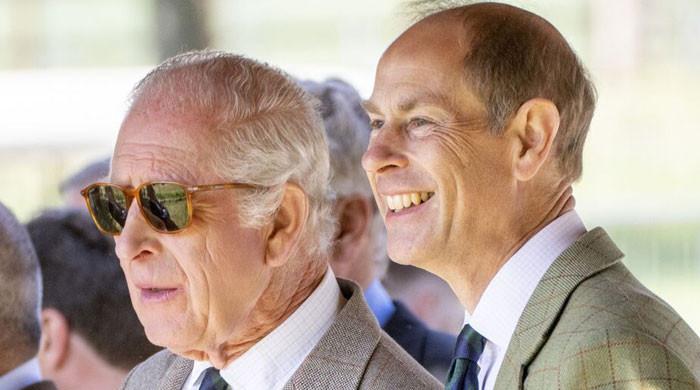
Prince Edward, the Earl of Wessex, continues his international engagement by actively representing King Charles III’s interests in Ghana. Arriving on Sunday, he is set to spend two days strengthening UK-Ghana relations through various cultural and educational programs. This visit underscores the ongoing commitment of the British royal family to fostering bilateral ties with African nations.
Prior to his arrival in Ghana, the Duke of Edinburgh was in Nigeria, where he participated in activities that celebrated the legacy of his late father, Prince Philip. His presence in Nigeria showcased his dedication to promoting UK history and cultural diplomacy across the African continent. Now, his focus shifts to Ghana, reflecting a strategic effort to deepen diplomatic connections.
The timing of Prince Edward’s visit is noteworthy, coming just months after reports suggested that Prince Harry and Meghan Markle were considering Ghana for their next official tour. This sequence highlights Ghana’s growing importance as a hub of royal and diplomatic interest in Africa. The UK appears eager to reinforce its partnerships there amidst evolving royal mobility.
King Charles, in a move signaling a modernized diplomatic approach, entrusted Prince Edward with this important task. With relations somewhat strained following recent family controversies, the monarch’s decision to send Edward indicates a desire to project stability and continuity. It also demonstrates confidence in Edward’s diplomatic skills to convey positive messages abroad.
During his stay, Prince Edward is scheduled to visit Aburi, a well-known cultural and horticultural site in Ghana. His itinerary includes engaging with local communities through visits to a kindergarten and classrooms at the Presbyterian Women’s College of Education. These activities emphasize the importance of education and youth development in Ghana.
The royal’s visit to these educational institutions aims to bolster community ties and promote educational initiatives. It exemplifies the UK’s support for Ghana’s efforts to improve its educational infrastructure. Such engagements are intended to foster goodwill and build meaningful partnerships with local citizens.
In addition to educational exchanges, Prince Edward will explore Ghana’s rich agricultural traditions by visiting the Aburi Botanical Gardens. There, he will learn about the country’s horticultural practices, which are vital to its economy and cultural heritage. This botanical visit symbolizes an appreciation for Ghana’s natural resources and agricultural expertise.
Read More: Sarah Ferguson’s Shock U Turn Portugal Plans Collapse As New Royal Home Emerge
A significant moment planned during the visit is the planting of a tree at the Botanical Gardens. This act serves as a symbolic gesture highlighting commitments to sustainability and environmental preservation. It also reflects King Charles’s environmental advocacy, echoing his passion for conserving natural habitats.
This act of tree planting also pays homage to Queen Elizabeth II, emphasizing the royal family’s ongoing engagement with environmental issues and heritage preservation. It reinforces the message that conservation efforts are integral to the modern diplomatic agenda of the UK and its royal representatives.
Prince Edward’s Ghanaian visit is a carefully orchestrated effort to cement the understandings and collaborations between the two nations. It demonstrates a blend of cultural diplomacy, educational support, and environmental awareness. The royal’s role as a goodwill ambassador helps promote mutual interests and shared values.
The visit also signals the UK’s recognition of Ghana’s significance within the Commonwealth and Africa at large. By engaging directly with local communities and institutions, the royal aims to show genuine interest and solidarity with Ghanaian people and their development goals.
Throughout his stay, Prince Edward’s activities are expected to capture positive media attention, projecting the UK’s commitment to fostering long-term partnerships. His efforts serve to enhance diplomatic relations, promote cultural exchange, and underline the importance of sustainable development in Ghana.
In sum, Prince Edward’s diplomatic mission in Ghana encapsulates a broader strategy of engagement, emphasizing education, environment, and cultural ties. It reflects the UK’s ongoing interest in maintaining strong, constructive relations with African nations under the contemporary royal mandate. His presence exemplifies the monarchy’s evolving role in international diplomacy.
This visit is not only a gesture of goodwill but a testament to the shifting dynamics of global diplomacy involving the British royal family. As Prince Edward continues his journey, it remains to be seen how these efforts will influence future collaborations and perceptions between the UK and Ghana.